The future is clinical, but it must also be sustainable
Blog from Chief Executive Janet Morrison
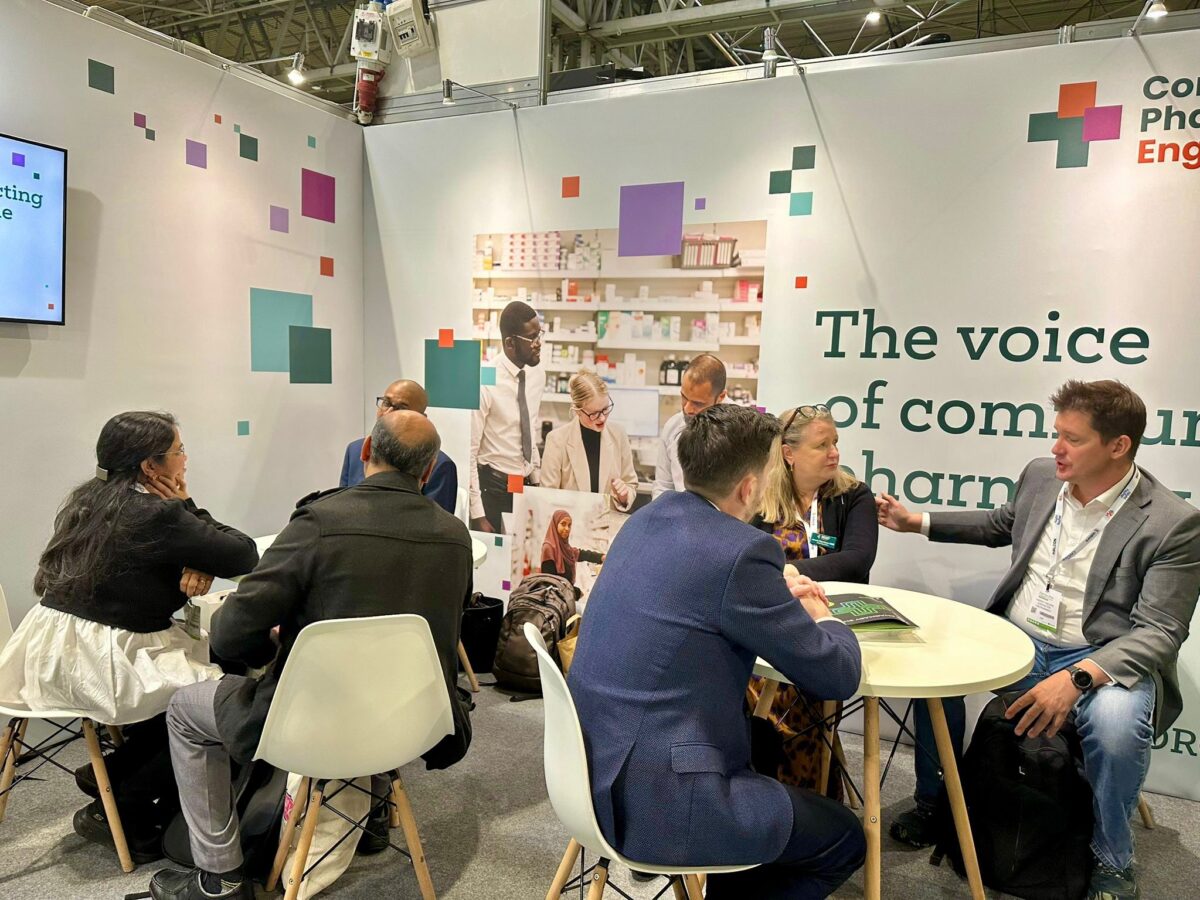
Speaking at the Pharmacy Show this month gave me an opportunity to reflect on where community pharmacy is now and, importantly, where we could be heading next.
There is much to be positive about. Community pharmacy continues to demonstrate its enormous value to patients and the NHS, while national health policy increasingly recognises the contribution our sector can make.
But we must also be realistic. Pharmacy owners remain under immense financial and operational pressure and the ambitions for an expanded clinical future will only become reality if they are matched by sustainable investment and the right infrastructure.
Building on stronger foundations
The 2026/27 contractual settlement was an important step forward. It takes the funding budget to £3.636 billion, a 10.3% uplift on 2025/26, following the 19% increase in the previous settlement. It also provides increased support for medicines supply and core resources through margin and the Single Activity Fee.
But significant pressures remain. Almost all pharmacies, (99.7%), report higher costs than last year, while 99% say NHS reimbursement does not cover their medicines costs. Despite the increase in margin allocation in this year’s settlement, medicine procurement and supply remains a major sore as demonstrated by the rash of recent price concessions and sharp price movements in the market. A quarter of pharmacy owners or directors also told us they have taken no salary or income from their business in the past year, and 15% have used personal savings to keep their pharmacy going.
These figures are a stark reminder that, as we consider the opportunities ahead, we cannot lose sight of the need to strengthen the foundations on which that future depends. The funding gap identified in Independent Economic Report remains critical. And the strains of working within a complex and technical contractual framework require fundamental review. So it’s important that we won a commitment from Ministers to a programme of reform that we are scoping with the Department and NHS England – looking at dispensing and medicines optimisation; clinical services; access and market sustainability; margin and medicines supply; and regulatory and efficiency matters.
A more clinical future
Pharmacy First has shown what pharmacies can achieve. Since January 2024, pharmacies have delivered more than 14 million consultations (including urgent medicines supply and minor ailments), giving patients faster access to advice and treatment and helping avoid unnecessary GP appointments or A&E attendances.
Independent prescribing is another strategically important development. From autumn 2026, it will be introduced as an extension of Pharmacy First and the Pharmacy Contraception Service, alongside new prescribing pathways.
But it comes with a heavy health warning: investment is not yet sufficient to support its full and effective introduction, considering the additional workload, clinical responsibility, governance and infrastructure involved. Only around 20% of pharmacies currently have independent prescribers, and it will rightly be for individual pharmacy owners to decide whether providing these services works for their business and patients.
Right now, pharmacy owners need to be supported to maximise the value and impact of existing services, rather than continuing to add ‘slivers’ of new activity that they cannot implement effectively.
Where next?
Looking further ahead, there is great potential to significantly grow the value of community pharmacy services for patients and communities.
The current CPCF is not fully optimised – Government is commissioning services that cannot reach their full potential because of funding constraints, caps, limited scope or patchy referrals. All which means that the Government is not getting full value for the public from the services it currently commissions.
Building on the investment made in recent years there is scope to expand the scope of Pharmacy First to cover more minor ailments and as the number of independent prescribers grow in future there is scope for their role to grow, with the right investment, across a wider range of conditions and services. As has been seen with recent moves into RSV, Pertussis and Men B vaccinations, there is also scope for community pharmacies to deliver greater access to vaccinations, and tackle vaccine hesitancy, making better use of the current skills and capabilities of pharmacy teams. With the ever-growing volume of prescribing and concerns about the impact of poly pharmacy on vulnerable patients, there is also potential to build on current medicine adherence schemes like the New Medicines Service and Discharge Medicine Service to allow, prescription amendment through pharmacist flexibilities and de-prescribing and structured medication reviews within the network.
The 10 Year Health Plan envisages community pharmacy as an integral part of the Neighbourhood Health Service, with an expanded role in prevention, vaccination, screening and the management of long-term conditions and complex medicines regimens. Its wider shifts towards community care, prevention and digital healthcare are closely aligned with the direction we have long advocated for the sector.
But ambition cannot simply mean loading more services onto pharmacies whose capacity is already stretched.
We need investment in core resources and infrastructure, better integration of pharmacy into ICB and neighbourhood approaches, and digital systems that enable rather than hinder pharmacy teams.
The sector has shown what it can deliver. Our job at Community Pharmacy England is to ensure that the ambition goes hand in hand with the investment, capacity and infrastructure pharmacy owners need to succeed.