
Understanding possible points of EPS system failure
Published on: 16th July 2015 | Updated on: 22nd July 2026
If the Electronic Prescription Service (EPS) is not working as expected, it can be helpful to understand where the problem may be occurring.
An electronic prescription passes through multiple systems before it reaches a pharmacy team and is later submitted for reimbursement. A problem at any stage can affect the flow of prescription information.
The main components involved are:
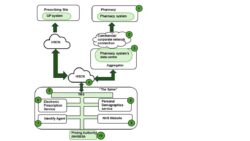
- Your pharmacy IT system – the software and hardware used within your pharmacy, including your IT system, printers, scanners and smartcard or NHS Care Identity Service (CIS2) access tools.
- Network connectivity – the internet connection that links your pharmacy to NHS systems. Connectivity is usually arranged by your IT system supplier or network provider.
- Message handling services – many IT system suppliers use central services to send and receive prescription messages between their systems and NHS systems. Each supplier manages its own approach.
- NHS network services – the secure NHS network infrastructure that allows authorised organisations to connect to national NHS services.
- Transactional messaging services – these services route messages between NHS systems, prescribing systems and pharmacy systems.
- Electronic Prescription Service (EPS) – the national service responsible for processing electronic prescription messages.
- Identity and access management services – these check that users have the correct permissions to access NHS systems and carry out authorised tasks.
- Personal Demographics Service (PDS) – the national patient database containing details such as NHS number, name, address and pharmacy nomination information.
- NHS service directories and profiles – these hold information about pharmacies and NHS services. It is important that your pharmacy’s details, including name, address and postcode, remain accurate and up to date.
- NHS Business Services Authority (NHSBSA) – when an electronic claim is submitted, the information is passed to NHSBSA to support reimbursement and payment .
Q. What measures are in place to support EPS resilience?
EPS is supported by national NHS infrastructure designed to provide high levels of resilience and business continuity. NHS systems include backup arrangements, monitoring, incident management processes and disaster recovery capabilities.
National NHS digital services are hosted within resilient environments and are subject to ongoing testing and improvement. If a major system issue occurs, NHS England and relevant system suppliers work together to restore services as quickly as possible.
Pharmacy teams should also ensure they have local business continuity arrangements in place. This includes understanding their IT supplier’s contingency procedures and being familiar with local EPS downtime processes.
For the latest information about national service incidents and maintenance activity, check the NHS national service status information and communications from your IT system supplier.
Related resources
- EPS technical issues and contingency arrangements;
- NHS national service status information;
- Pharmacy IT business continuity and contingency planning guidance; and
- Guidance from your IT system supplier regarding service outages and recovery procedures.
For more information on this topic please email it@cpe.org.uk